
The five books codified by Allan Kardec form the foundation of the Spiritist Doctrine. All are available for free PDF download.
The Spirits’ Book#
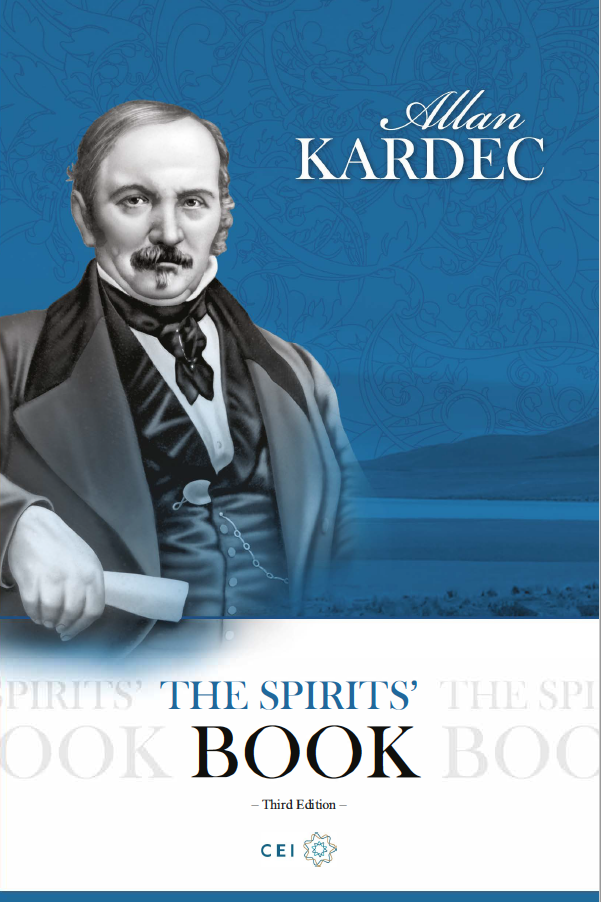
Published by Allan Kardec in 1857, it is the main book of Spiritist philosophy. We can call it its backbone because it supports all other works of Spiritism. It is divided into four parts: “Primary Causes”; “The Spiritual World or Spirits”; “Moral Laws”; and “Hope and Consolation”. It is composed of 1,018 questions asked by Kardec to the superior Spirits responsible for the arrival of Spiritism among men. What is God? Where do we come from? Where are we going? What are we doing on Earth? These are some of the questions answered by the phalanx of the Spirit of Truth.
The Mediums’ Book#
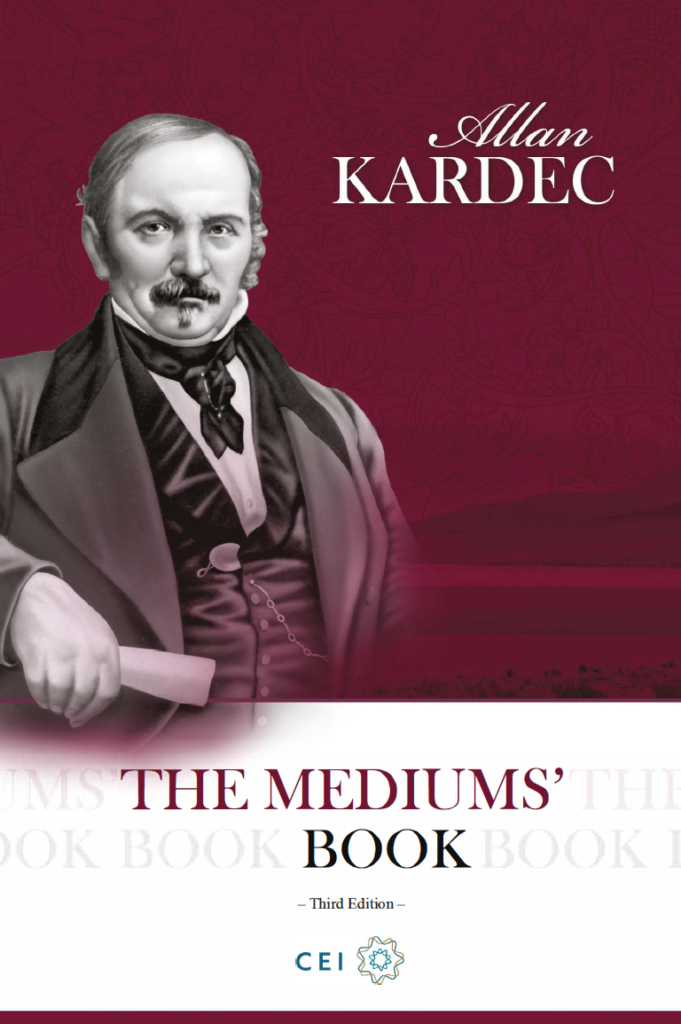
Published in 1861, Allan Kardec shows the benefits and dangers of mediumship — the link that connects the incarnate person to the spiritual world. He demonstrates that while all living beings have this opening of contact, there are those in whom it is much more pronounced. Kardec and the Superior Spirits warn about the subtlety of this faculty so that a person can contact Spirits without being disturbed by entities of evil, thus losing control of their mediumship.
The Gospel According to Spiritism#
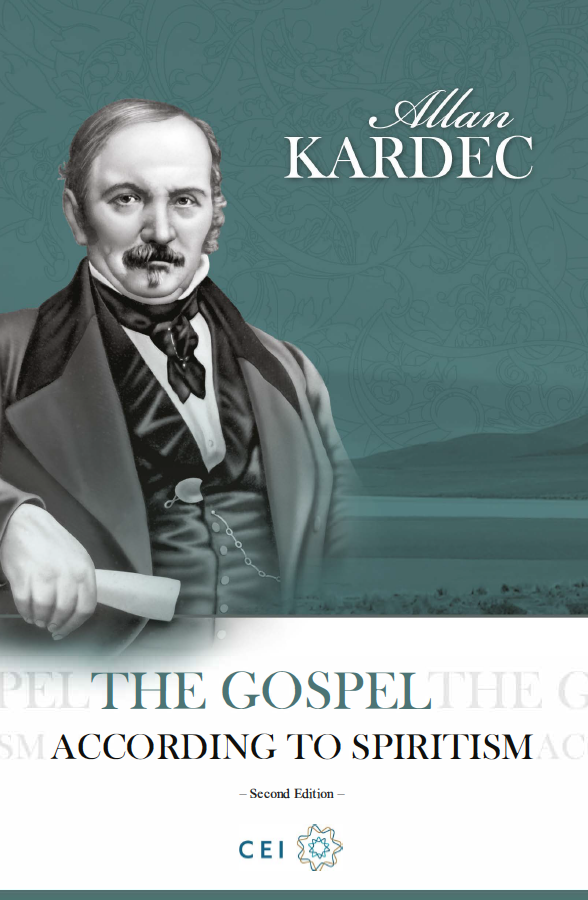
Published in 1864, this work can be considered the moral part of Spiritist philosophy. Kardec and the Superior Spirits comment on the main passages of Jesus’ life in accessible language. They explain his parables and demonstrate the greatness of the Master in his teachings, in addition to giving us important advice on our daily conduct in the face of life’s difficulties and doubts.
Heaven and Hell#
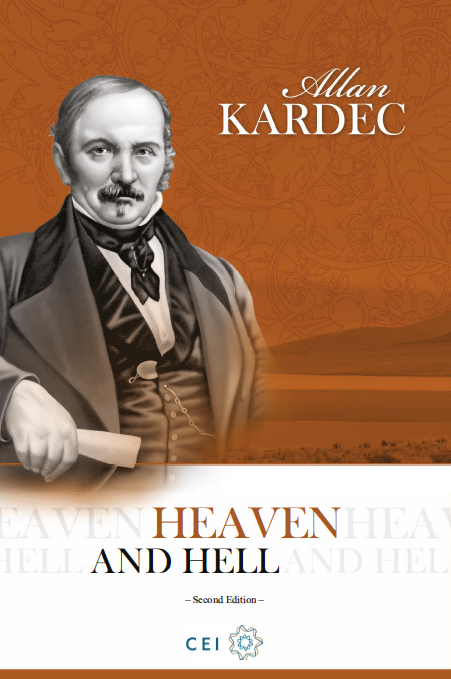
Kardec published this book in 1865. Through the invocation of the Spirits of people from different social classes, beliefs, and behaviours, he shows us what their arrival and life in the spiritual world was like after their disincarnation. Queens, peasants, nuns, murderers, the ignorant, and intellectuals are some of those who tell what awaited them after their earthly conduct and how their future life might unfold.
Genesis#
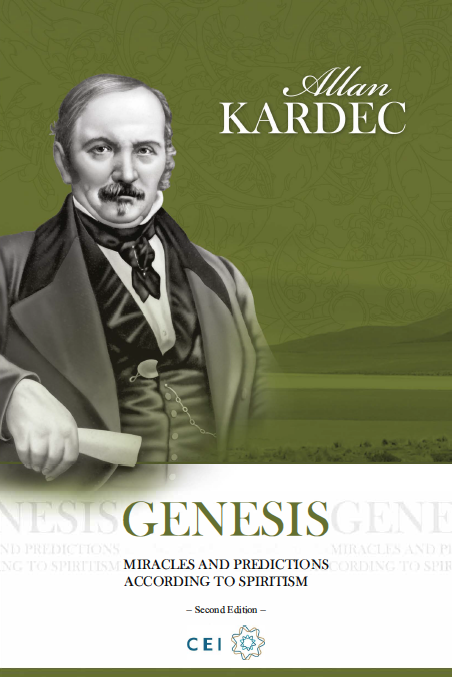
In this 1868 work, Kardec explains the Biblical Genesis and the formation of the Universe, demonstrating its consistency when confronted with scientific knowledge freed from the allegories of the time in which it was written. He exposes what miracles are — explained by the laws of nature, produced by the modification of the fluids that surround us. Finally, he brings religion and science together, strengthening the faith of those who believe in God.