Meet the main authors and figures who contributed to the building and spreading of Spiritist Philosophy.
Allan Kardec (1804–1869)#
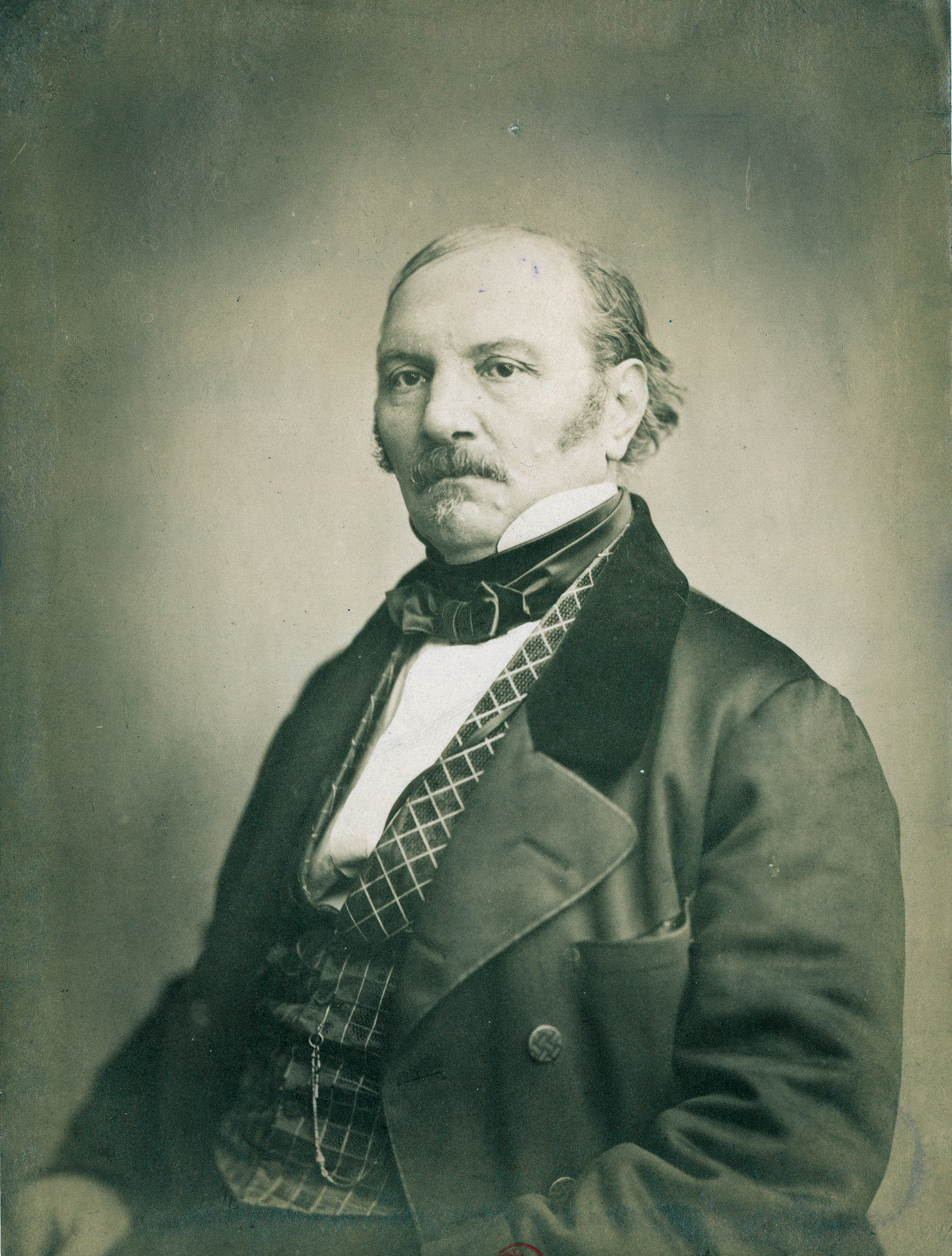
Hippolyte Léon Denizard Rivail was born in Lyon, France, on 3 October 1804. A trained educator and disciple of the renowned pedagogue Pestalozzi, he distinguished himself from an early age as a teacher and author of educational works widely adopted in French schools. His rigorous intellectual background prepared him for the mission he would only discover in maturity: to be the codifier of the Spiritist Doctrine.
Around 1854, Rivail learned of the phenomena of turning tables spreading across Europe. Sceptical by training, he decided to investigate with scientific method. Studying the communications obtained through mediums, he perceived that behind the phenomena lay a coherent, philosophical and moral doctrine. He carefully organised the questions and answers obtained in hundreds of sessions, subjecting everything to rigorous analysis before publishing anything.
In 1857, he published The Spirits’ Book under the pseudonym Allan Kardec — a name the spirits themselves indicated had been his own in a previous incarnation as a druid of Gaul. This was followed by The Mediums’ Book (1861), The Gospel According to Spiritism (1864), Heaven and Hell (1865), and Genesis (1868). These five works form the codified foundation of the Spiritist Doctrine.
From the Spiritist perspective, Kardec did not invent Spiritism: he was the instrument chosen by superior spirits to organise and transmit to the world a revelation arriving at the right moment in humanity’s evolution. His humility, intellectual honesty, and total devotion to the work make him one of the greatest spiritual benefactors of the modern era. He passed away in Paris on 31 March 1869, but his work continues to live and expand on every continent.
Léon Denis (1846–1927)#
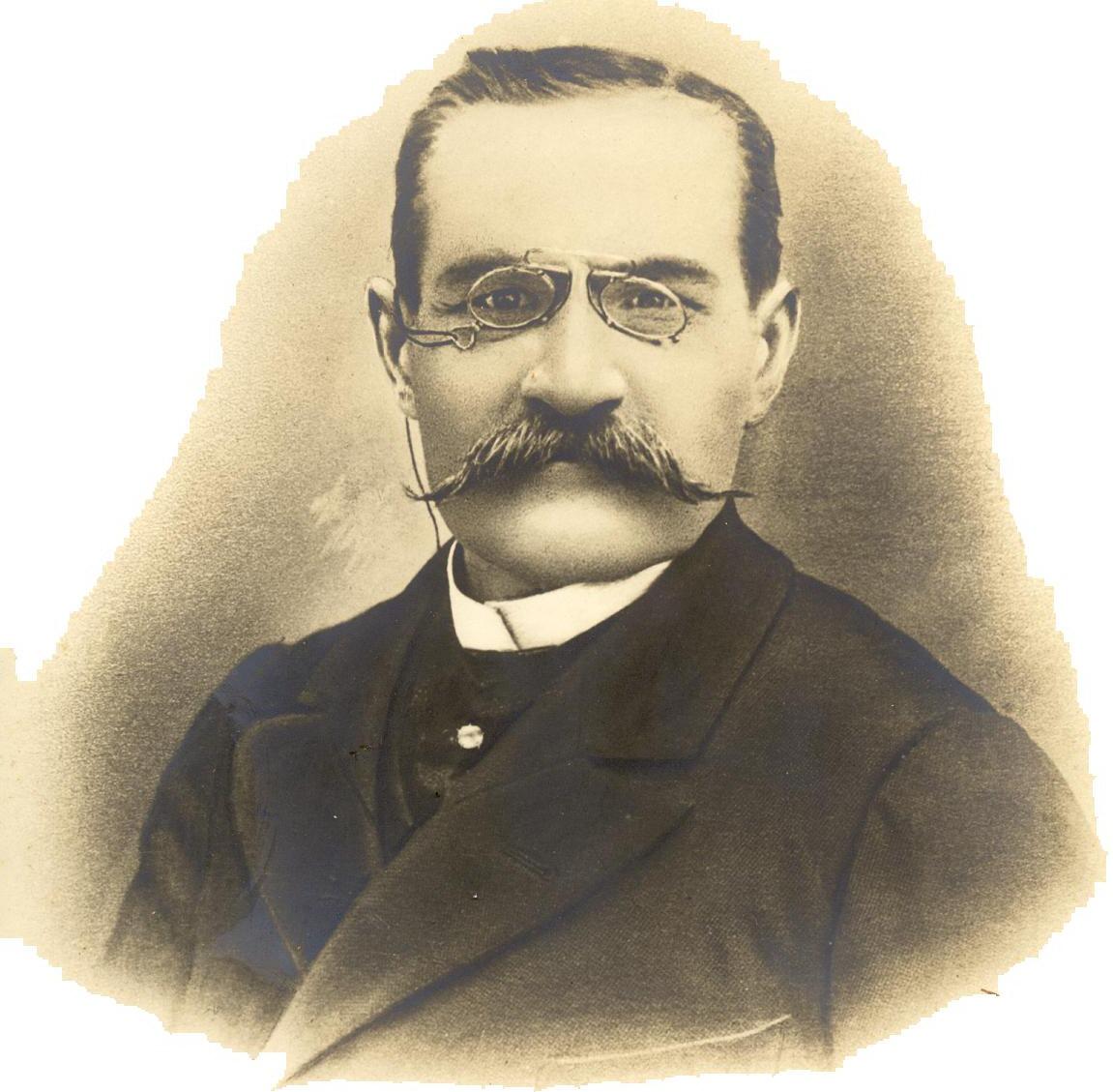
Léon Denis was born in Foug, France, on 1 January 1846. From youth he showed a profound interest in questions of the soul and life beyond death. Upon encountering the works of Allan Kardec, he found the answers he had been seeking and devoted his entire adult life to the study, dissemination, and deepening of the Spiritist Doctrine.
Regarded as the greatest continuator of Kardec’s work, Denis possessed an elevated literary style and a profound philosophical understanding. His most celebrated work, After Death (1890), became one of the most widely read books in Spiritism worldwide, offering clear and consoling answers about the destiny of the soul after disincarnation. In The Problem of Being, Destiny and Pain (1888), he masterfully addressed the great questions of human existence in the light of Spiritist philosophy.
Denis was also a tireless lecturer. He toured Europe for decades, carrying the Spiritist message to audiences of every background. His eloquence and serenity captivated listeners, and his personal life was a living example of the principles he preached — simplicity, charity, and disinterested dedication to the good.
From the Spiritist perspective, Léon Denis represents the ideal of the spiritual worker who places his talents at the service of the higher cause. His work is a beacon of light for those seeking to understand the meaning of life, death, and the immortality of the soul. He passed away in Tours on 12 April 1927, leaving a philosophical and moral legacy of inestimable value.
Gabriel Delanne (1857–1926)#
Gabriel Delanne was born in Paris on 23 March 1857, the son of one of Allan Kardec’s first collaborators. He grew up immersed in the Spiritist environment and, upon becoming an engineer, decided to unite his scientific training with the defence of Spiritism, producing a solid and rationally grounded body of work.
His most original contribution was the elaboration of the theory of the perispirit — the intermediary body between the immortal spirit and the physical body — drawing on evidence from mediumistic studies and phenomena such as materialisations. In The Spiritist Phenomenon (1897) and Animic Evolution (1897), he demonstrated through scientific arguments the reality of the soul’s survival and the continuity of life after death.
Delanne firmly believed that Spiritism was not merely a religious belief, but a science in the making, capable of withstanding the most rigorous intellectual scrutiny. For this reason, he patiently responded to every criticism from the materialists of his era, presenting data, experiments, and analyses that underpinned the Spiritist theses.
From the Spiritist perspective, Gabriel Delanne is a rare example of a scientist who does not fear the truth, wherever it may come from. His work contributed decisively to elevating Spiritism to the level of a doctrine coherent with the advances of human knowledge. He passed away in Paris on 27 January 1926, after devoting nearly 50 years to the Spiritist cause.
Camille Flammarion (1842–1925)#
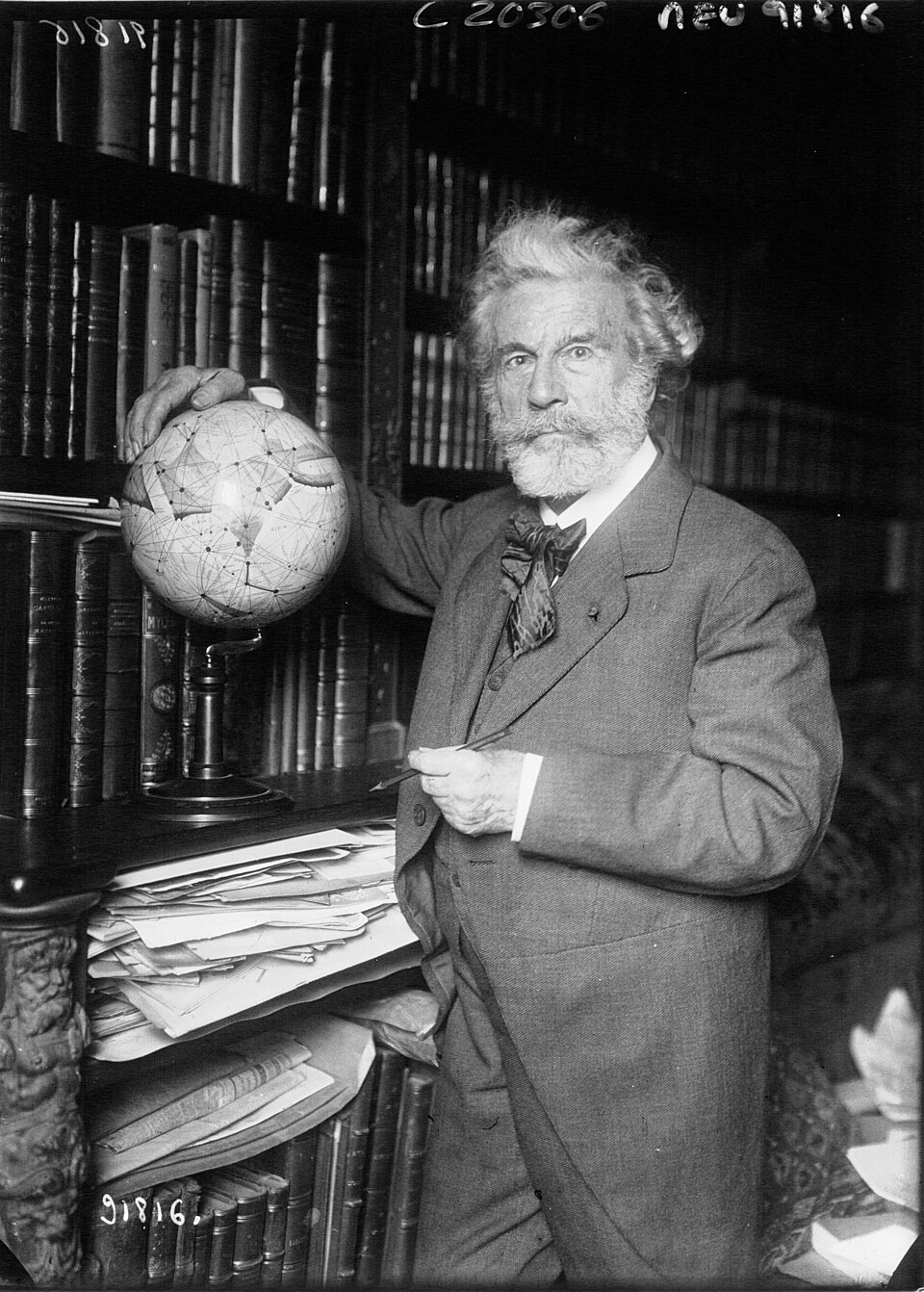
Nicolas Camille Flammarion was born in Montigny-le-Roi, France, on 26 February 1842. Fascinated from childhood by the starry sky, he became one of the most respected astronomers of the nineteenth century, founder of the Juvisy Observatory and author of popular science works that enchanted generations of readers worldwide.
Alongside his astronomical career, Flammarion devoted decades to the scientific study of paranormal phenomena and the question of the soul’s survival. He investigated hundreds of cases of apparitions, premonitions, after-death communications, and telepathy, publishing his research in works such as Death and Its Mystery (1920–1922), a monumental trilogy gathering testimonies and analyses of exemplary rigour.
For Flammarion, the universe was too vast and complex to be explained by matter alone. His astronomical observations convinced him that life and consciousness are universal phenomena, and his metapsychic research led him to the conclusion that the soul survives the physical body. Though he did not formally identify as a Spiritist, his conclusions converged deeply with the teachings of Kardec.
From the Spiritist perspective, Flammarion represents the open-minded scientist who, when faced with evidence, does not retreat for fear of ridicule. His authority in the scientific world lent credibility to the cause of the soul’s immortality at a time when materialism dominated academic thought. He passed away in Juvisy-sur-Orge on 3 June 1925.
Francisco Cândido Xavier — Chico Xavier (1910–2002)#
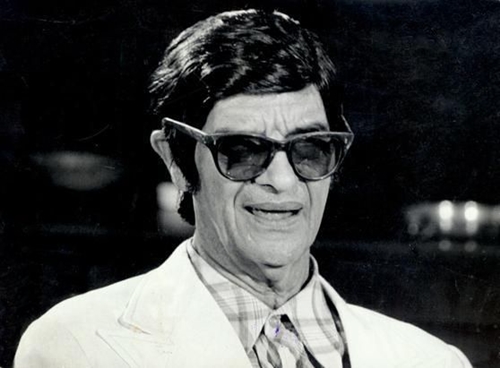
Francisco Cândido Xavier was born in Pedro Leopoldo, Minas Gerais, Brazil, on 2 April 1910. From childhood he manifested extraordinary mediumistic faculties, but it was only in adolescence, upon encountering Spiritism, that he found the doctrinal framework that would give meaning and direction to his gifts. He then became the most prolific and beloved medium in the history of Brazilian Spiritism.
Over more than 60 years of mediumship, Chico Xavier psychographed over 400 books whose royalties were entirely donated to charitable institutions — for he never accepted a single cent for his mediumistic work. The works span novels, poetry, science, philosophy, and comforting messages for the bereaved, always dictated by identified spirits, among whom the spirit Emmanuel and the brother André Luiz stand out.
His personal life was a living testimony to Spiritist morality. He lived in extreme simplicity, receiving for decades thousands of people seeking comfort, never charging anything and never refusing to help. In 1971, in a gesture that moved all of Brazil, he publicly renounced the Peace Prize, saying that peace would only be true when all of Brazil had found it.
From the Spiritist perspective, Chico Xavier is considered a spirit of light who chose to incarnate to serve, console, and elevate. His mediumship, his charity, and his humility constitute the greatest living argument in favour of the reality of Spiritism. He passed away in Uberaba on 30 June 2002 — the very day Brazil celebrated its qualification for the World Cup final, as though the spirits had chosen a moment of collective joy to take him home.
Other important authors#
Alexander N. Aksakof (1832–1903)#
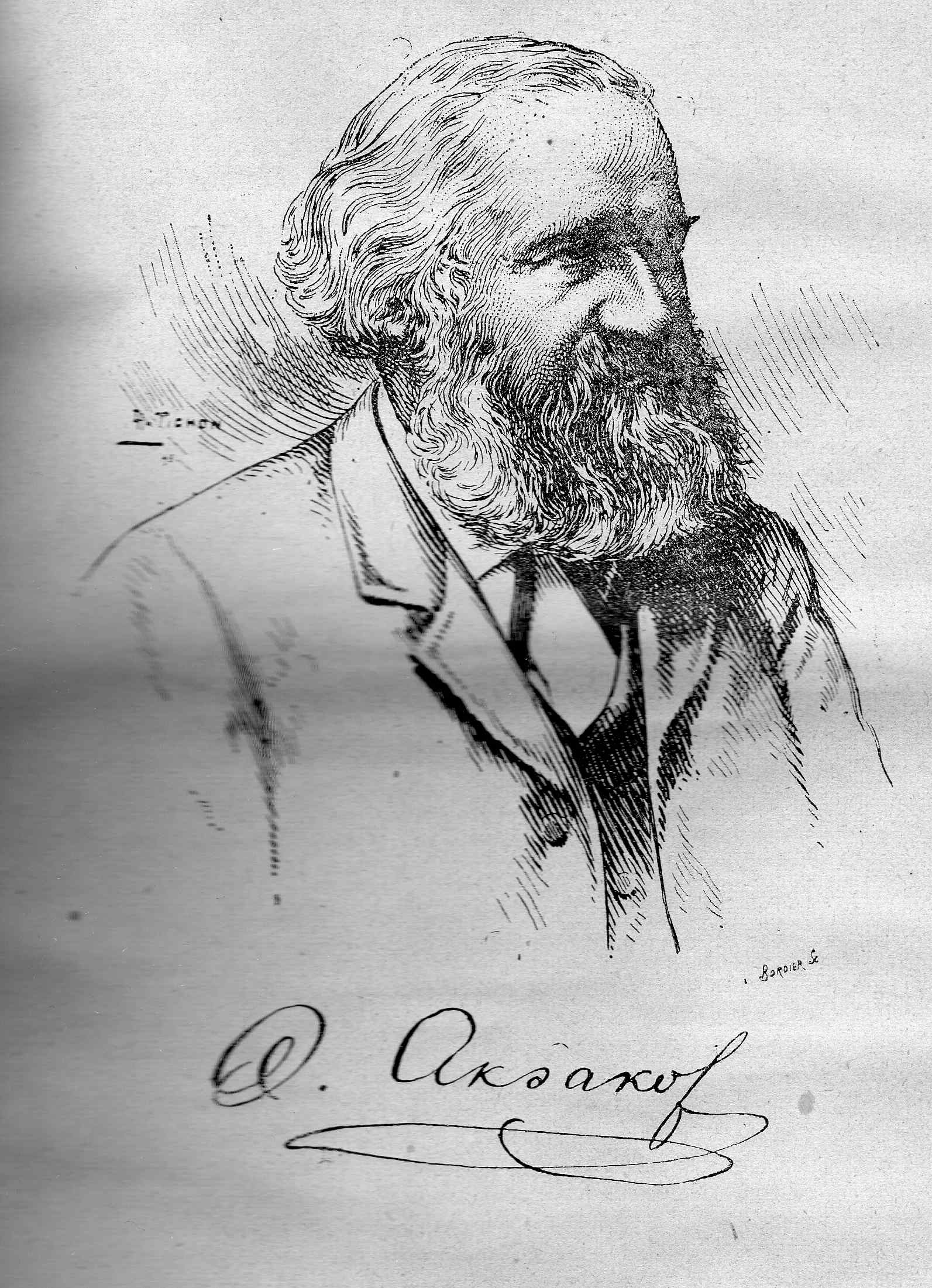
Alexander Nikolaevich Aksakof was born in Repievka, Russia, in 1832. A State Councillor to the Tsar, a cultivated man of high social standing, he could have led a comfortable and conventional life. Instead, he chose to dedicate a great part of his energy and his own resources to the scientific investigation of mediumistic phenomena and to the dissemination of Spiritism in Europe.
It was Aksakof who brought to the attention of the European scientific world the experiments conducted with the greatest mediums of his era. He translated into Russian the works of Kardec and other Spiritist authors, making Spiritism accessible to the Russian-speaking public. He founded the journal Psychische Studien (Psychical Studies), published in Leipzig, which for decades was one of the leading scientific publications on paranormal phenomena in Europe.
His most important work, Animism and Spiritism (1890), is a meticulous response to the objections of psychologist Eduard von Hartmann against Spiritism. With patience and rigour, Aksakof dismantled the materialist arguments and demonstrated that mediumistic phenomena require, for their explanation, the Spiritist hypothesis.
From the Spiritist perspective, Aksakof represents the intellectual courage of one who, holding a respectable position in society, is not afraid to embrace an unpopular cause when the evidence demands it. His contribution to the scientific acceptance of Spiritism in Europe was invaluable.
Amalia Domingo Soler (1835–1909)#
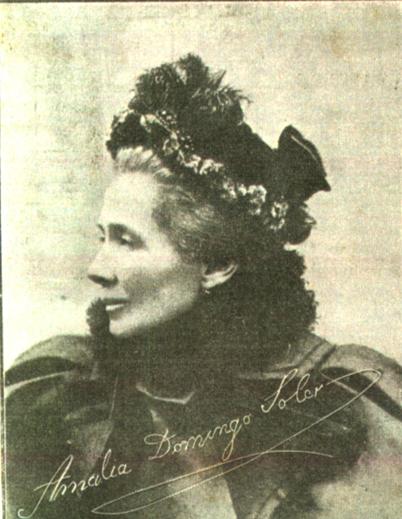
Amalia Domingo Soler was born in Seville, Spain, on 15 November 1835. Raised in a humble family, she faced the hardships of life from an early age: poverty, illness, and the loss of loved ones. It was precisely through suffering that she found the path of Spiritism, a doctrine that answered her deepest questions and transformed her pain into strength.
A writer of exceptional talent, Amalia became the greatest female voice of nineteenth-century Spanish Spiritism. She founded and directed for many years the journal La Luz del Porvenir (The Light of the Future), a publication that became a landmark of the Spiritist movement in Spain and the Spanish-speaking Americas. Her writings combined the philosophical depth of the doctrine with a rare literary sensitivity, reaching the hearts of readers.
Among her most widely read works are Memorias del Padre Germán and Cuentos Espiritistas, narratives illustrating Spiritist principles through touching stories accessible to readers of all levels. Her prose was at once elegant and ardent, reflecting the lived faith of someone who writes not out of obligation, but out of love.
From the Spiritist perspective, Amalia Domingo Soler is an example of how suffering, understood in the light of Spiritist philosophy, can be transformed into an instrument of evolution and service. Her life and work continue to inspire Spiritists throughout the Hispanic world. She passed away in Barcelona on 29 October 1909.
Andrew Jackson Davis (1826–1910)#
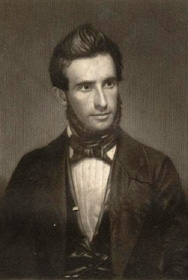
Andrew Jackson Davis was born in Blooming Grove, New York, on 11 August 1826. The son of a poor family and without formal education, Davis manifested extraordinary visionary abilities from youth. As a teenager, under magnetic influence, he would enter an altered state of consciousness and reveal scientific, philosophical, and medical knowledge far beyond the reach of his education — something that deeply impressed those who observed him.
In 1845, at the age of 19, Davis dictated in trance the work The Principles of Nature, a volume of over 700 pages covering cosmology, philosophy, and spiritual science. The work was received with astonishment, as its depth was incompatible with the author’s background. Davis even described the existence of planets that would only be confirmed by astronomy years later.
Davis is considered one of the great forerunners of the Spiritist movement in the United States. Even before the celebrated manifestations of the Fox sisters in Hydesville (1848), Davis was already describing in his writings the nature of spirits, the plurality of inhabited worlds, and the law of progress governing the evolution of souls — principles that would be systematised by Kardec in France a few years later.
From the Spiritist perspective, Andrew Jackson Davis is a magnificent demonstration of how superior spirits make use of modest human instruments to transmit truths that transcend the limitations of the incarnate mind. His work anticipated many of the Spiritist teachings and prepared the ground for Kardec’s codification.
Arthur Conan Doyle (1859–1930)#
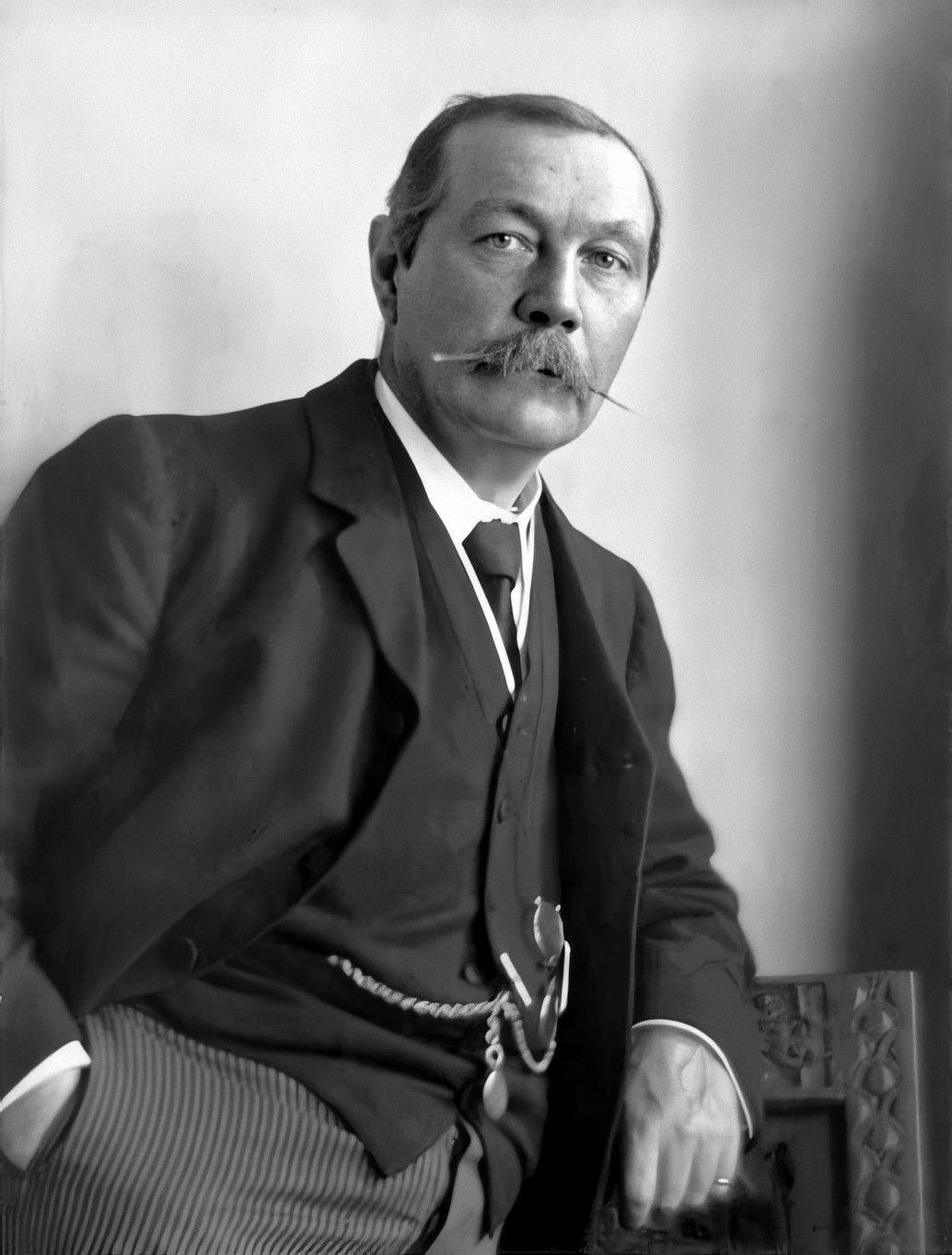
Arthur Ignatius Conan Doyle was born in Edinburgh, Scotland, on 22 May 1859. A physician by training and a writer by vocation, he became world-famous for creating the detective Sherlock Holmes — a character whose rigorous deductive method reflected the author’s own personality: a man who only accepted as truth what could be demonstrated. That same disposition would lead him, decades later, to embrace Spiritism.
The death of his son Kingsley in the First World War was the blow that accelerated Conan Doyle’s definitive conversion to Spiritism. But his investigation of mediumistic phenomena had begun much earlier, in 1886, at his first séances. Over years of careful investigation, he became convinced of the reality of the phenomena and the survival of the soul, becoming one of the most eloquent and courageous defenders of Spiritism in the English-speaking world.
From 1917, Conan Doyle devoted himself almost exclusively to spreading Spiritism. He lectured on every continent, financed publications, opened Spiritist bookshops, and wrote foundational works such as The New Revelation (1918) and The History of Spiritualism (1926). His fame as a writer drew to the subject millions of people who would never otherwise have considered it.
From the Spiritist perspective, Conan Doyle represents the intellectual who, armed with the tools of reason and honest investigation, arrives at the same conclusion that the spirits have always affirmed: life does not end with the death of the body. His courage in publicly defending a then-ridiculed cause is a permanent example of intellectual and spiritual integrity.
Bezerra de Menezes (1831–1900)#
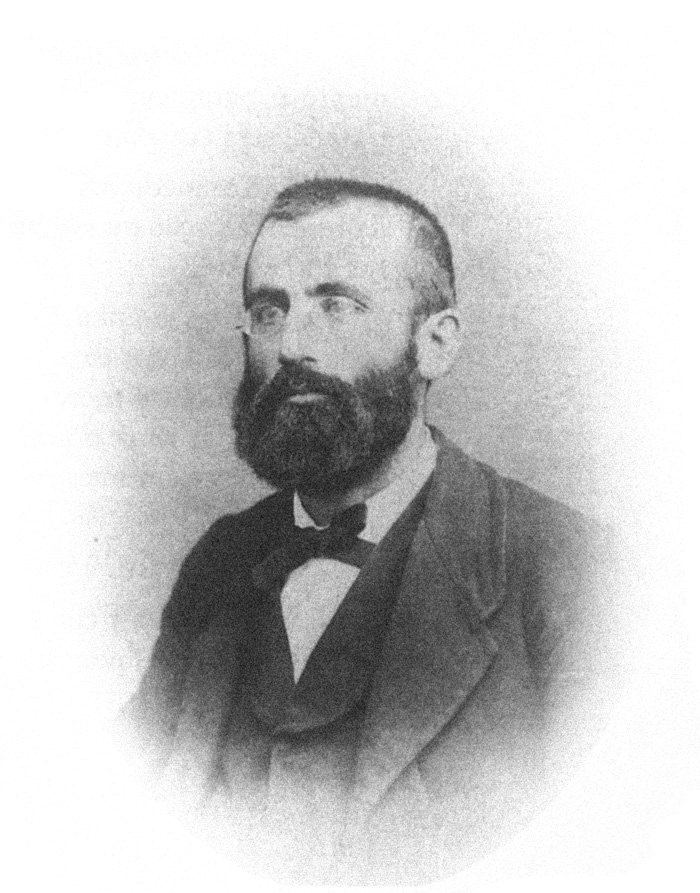
Adolfo Bezerra de Menezes Cavalcanti was born in Reriutaba, Ceará, Brazil, on 29 August 1831. A graduate in medicine from the Faculty of Rio de Janeiro, he distinguished himself from the start both for his clinical competence and for his boundless generosity. It was common to see him roaming the poor neighbourhoods of Rio de Janeiro in the middle of the night, treating the sick without charge, often digging into his own pocket to buy medicine for the needy.
An active politician, he served as a provincial and federal deputy for Ceará, always defending the interests of the most humble. But it was as a Spiritist that Bezerra de Menezes left his deepest mark. Upon encountering Spiritism in 1873, he found the rational explanation for the mediumistic experiences he had been living since childhood. His healing mediumship — combining medical knowledge with passes and spiritual treatments — was recognised by all who knew him.
His most important written work, Madness Under a New Light (1897), is a pioneering study on the relationship between mental illness and spiritual obsession, anticipating an understanding that conventional psychiatry would take time to recognise. The book remains relevant today and is studied in Spiritist centres throughout Brazil.
From the Spiritist perspective, Bezerra de Menezes is considered a spirit of light who knew how to unite science and charity in an exemplary way. His memory is venerated with deep affection in Brazilian Spiritism, and his name is associated with spiritual healing and unconditional brotherly love. Passing away on 11 April 1900, he continues, according to Spiritists, to work actively in the spiritual planes on behalf of humanity.
Cesare Lombroso (1835–1909)#
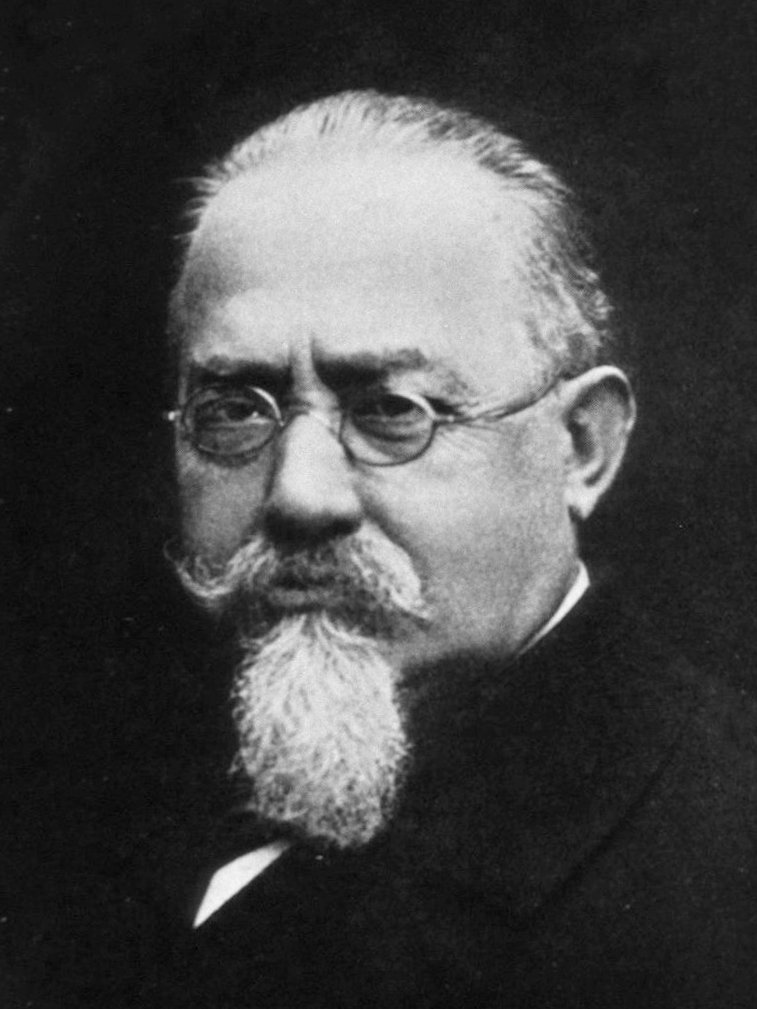
Cesare Lombroso was born in Verona, Italy, on 6 November 1835. Professor of psychiatry and forensic medicine and founder of modern criminology, he was one of the most celebrated and respected scientists in Europe in the second half of the nineteenth century. His materialism was absolute: for him, all human phenomena — including crime and genius — could be explained by physical and biological causes.
It was precisely this convinced materialist who, upon investigating the Neapolitan medium Eusapia Palladino, found himself compelled to retreat. Lombroso personally attended dozens of sessions, tried by every means to identify fraud, and at the end declared publicly: “I am ashamed and sorry to have so strongly opposed the possibility of the facts called Spiritist.” His conversion, wrested by the force of evidence, was an event of enormous repercussion in the scientific world of the time.
He published his investigations in Hypnotism and Mediumship (1909), a work in which he analysed the phenomena observed with Eusapia and other mediums, concluding in favour of the reality of forces and intelligences that escape materialist explanation. Although he never formally adhered to Spiritism as a doctrine, his testimony was widely used by Spiritists as proof of the solidity of mediumistic phenomena.
From the Spiritist perspective, Lombroso’s trajectory is a precious lesson: truth, sooner or later, imposes itself even on the most resistant minds, when they have the honesty to look at the evidence without prejudice. His example shows that sincere science and Spiritism are not adversaries, but paths that converge.
Charles Richet (1850–1935)#
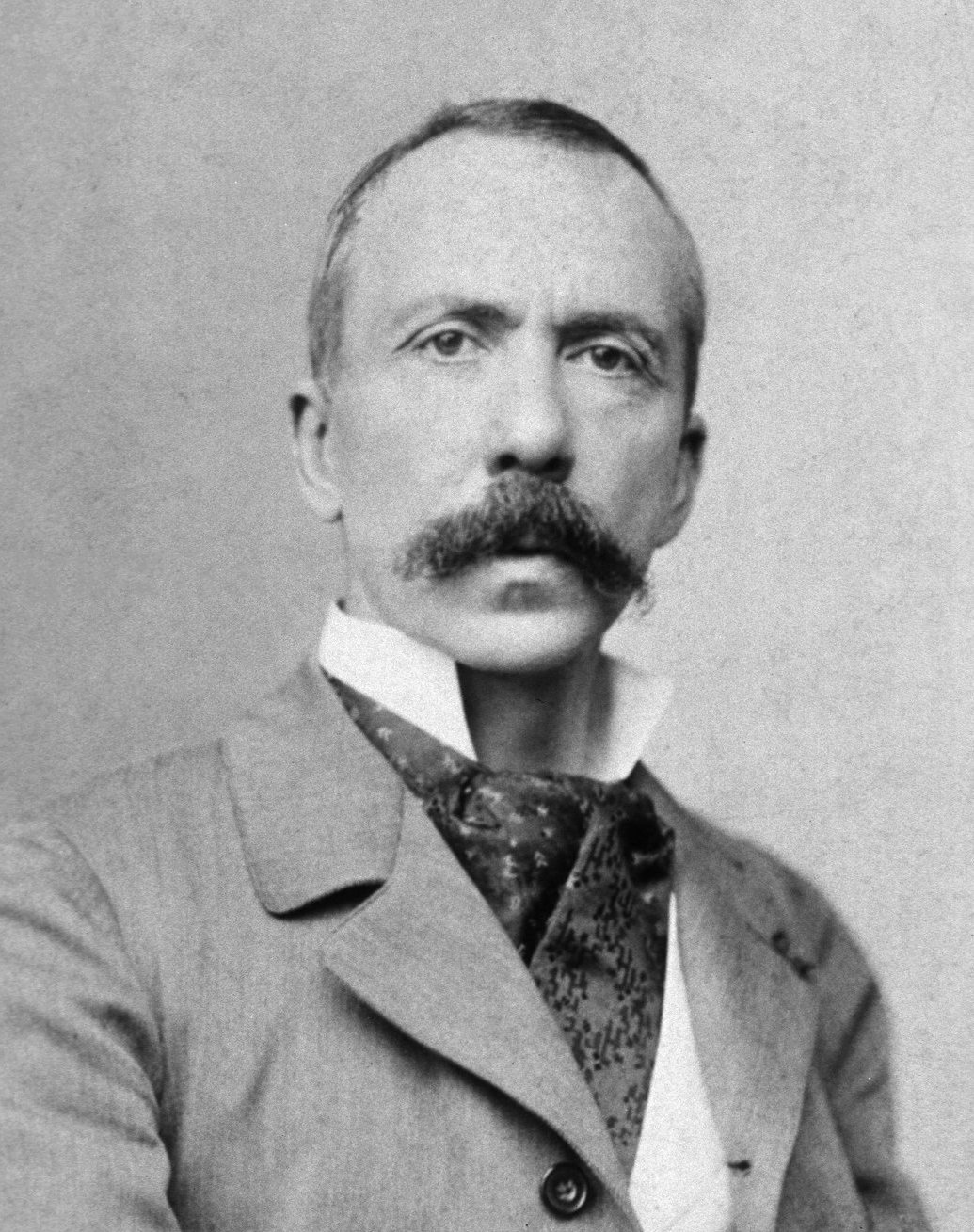
Charles Robert Richet was born in Paris on 26 August 1850. A physiologist of international renown, he was awarded the Nobel Prize in Medicine in 1913 for the discovery of anaphylaxis. His scientific reputation was unassailable, which made his interest in the paranormal all the more significant for the academic world.
Richet devoted more than 50 years to the study of phenomena he called “metapsychic” — a term he coined himself to designate the field of investigation of paranormal phenomena. He founded the Institut Métapsychique de Paris and systematically investigated phenomena such as telepathy, clairvoyance, materialisations, and ectoplasm, working with the greatest mediums of his era, including Eusapia Palladino and Eva C.
In his monumental work Treatise on Metapsychics (1922), Richet presented a synthesis of decades of research, concluding in favour of the objective reality of paranormal phenomena and the existence of a “psychic force” that goes beyond the explanations of conventional physics. Although he had philosophical reservations about accepting the Spiritist hypothesis, his empirical conclusions pointed unequivocally in that direction.
From the Spiritist perspective, Charles Richet is one of the greatest examples of how honest science, when conducted with patience and method, inevitably approaches the truths that Spiritism affirms. His work opened doors that materialism insisted on keeping closed, and his moral authority lent indispensable credibility to the cause of researching spiritual phenomena.
Daniel Dunglas Home (1833–1886)#
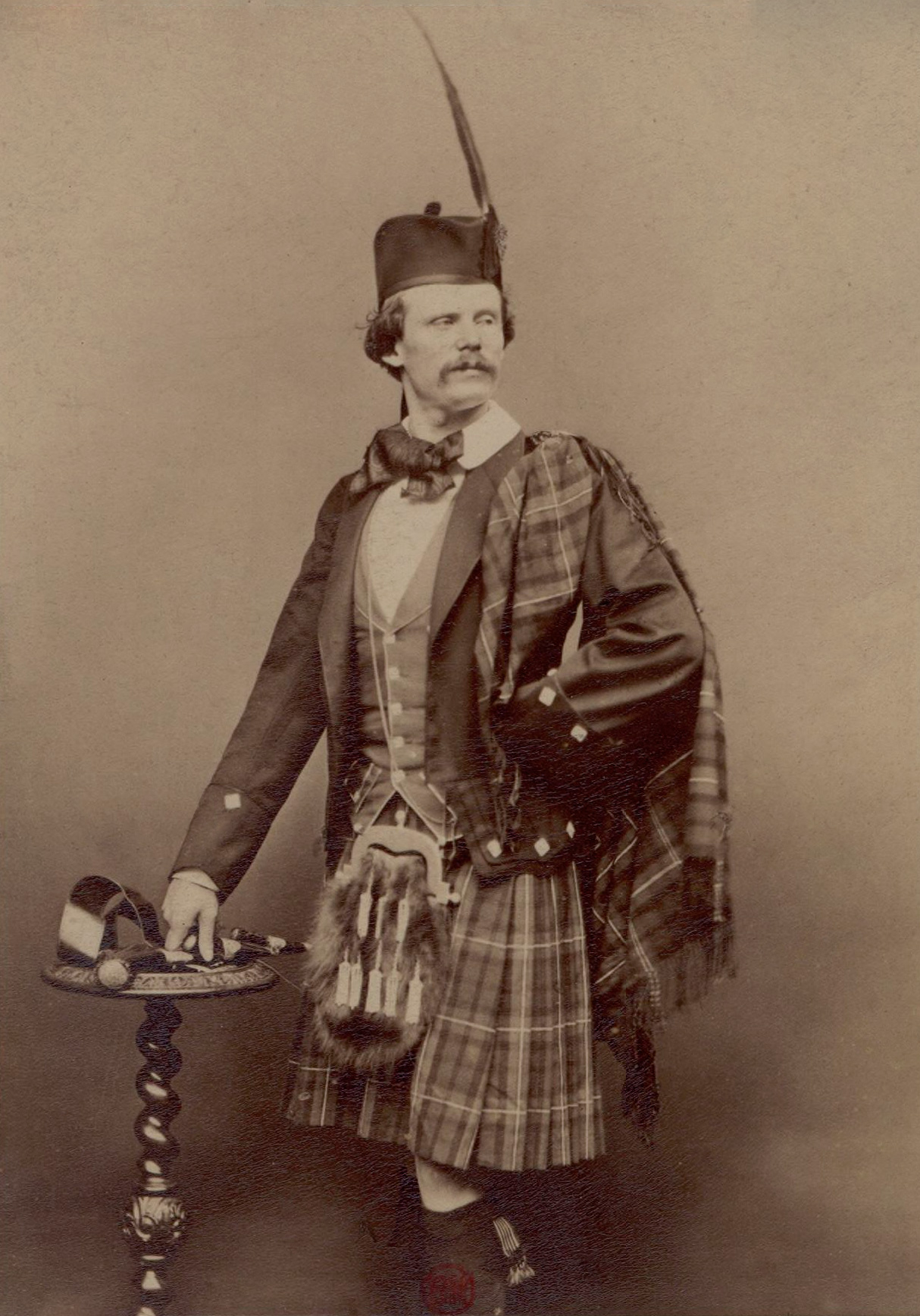
Daniel Dunglas Home was born in Currie, Scotland, on 20 March 1833, and emigrated young to the United States. From childhood he manifested spontaneous mediumistic phenomena that frightened those around him: moving furniture, inexplicable sounds, predictions that came true. Upon discovering Spiritism, he understood the nature of his gifts and began developing them in formal sessions.
Home became the most investigated medium in history. Unlike most, he required sessions to be held in good lighting and allowed investigators to examine him before, during, and after. His phenomena included levitation of his own body (witnessed by dozens of reliable observers), elongations of the body, handling of live coals without burning himself, materialisation of hands and faces, and movement of heavy objects without physical contact.
The physicist William Crookes investigated him extensively between 1871 and 1873, using scientific instruments, and confirmed the reality of the phenomena. Throughout his years of mediumistic activity — across hundreds of sessions conducted before kings, emperors, scientists, and declared sceptics — no fraud was ever proven against Daniel Dunglas Home.
From the Spiritist perspective, Home represents one of the most solid proofs ever offered of the reality of the spiritual world. His mediumship, exercised with transparency and without ever charging for participation in sessions, left a historical legacy that continues to challenge materialist scepticism and confirm the claims of the Spiritist Doctrine.
Divaldo Pereira Franco (1927–2025)#
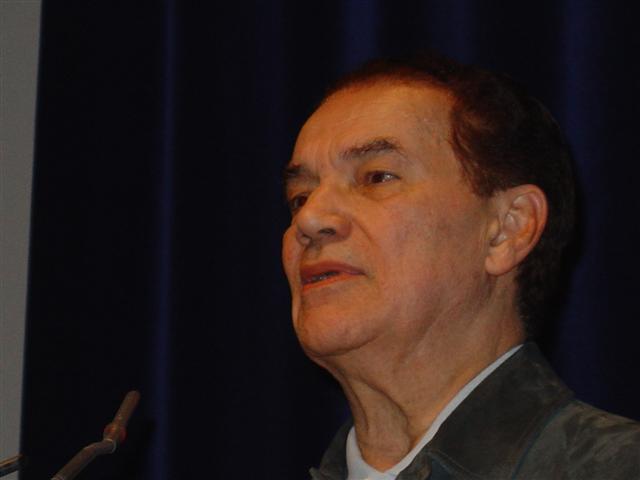
Divaldo Pereira Franco was born in Feira de Santana, Bahia, Brazil, on 5 May 1927. From childhood he revealed intense mediumship, but it was at the age of 17, upon joining Spiritism, that his life took its definitive direction. In 1952, he founded in Salvador the Lar Fabiano de Cristo, an institution assisting underprivileged children that grew to shelter thousands of people over the decades, becoming one of the greatest examples of Spiritist charity in Brazil.
Over more than 70 years of mediumship, Divaldo Franco psychographed over 280 works dictated by various spirits, most notably the series of books by the spirit Joana de Ângelis — one of the most extensive and profound contributions to Spiritist psychology. His books address themes such as mental health, spirituality, self-knowledge, and life in the spiritual planes, with a depth that impressed psychologists, physicians, and philosophers.
An extraordinary lecturer, Divaldo Franco toured more than 60 countries, speaking to audiences of every culture and religion. His oratory was unique: it combined erudition, humour, emotion, and spirituality in a way that touched even the most sceptical listeners profoundly. For decades he received in Salvador queues of hundreds of people seeking spiritual guidance and consolation.
From the Spiritist perspective, Divaldo Franco is considered one of the greatest missionaries of Spiritism in the twentieth century. His entire life was a gift: to the needy he welcomed in his institutions, to the readers he nourished with his works, and to the audiences he illuminated with his lectures. Passing away in Salvador on 13 May 2025, he leaves a legacy of love, work, and faith that will continue to inspire generations.
Ernesto Bozzano (1862–1943)#
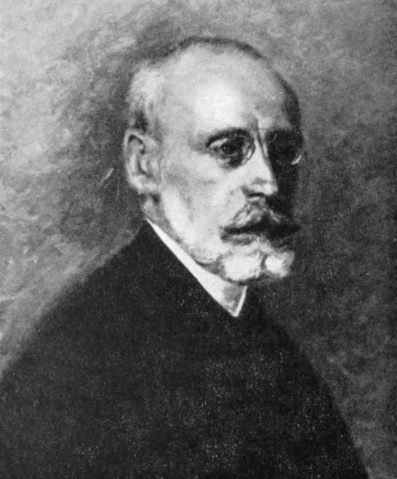
Ernesto Bozzano was born in Genoa, Italy, on 8 January 1862. Initially a convinced sceptic, he was gradually won over by the weight of evidence gathered in the investigations of Crookes, Richet, Myers, and other serious researchers. As he deepened his own studies, he became one of the most rigorous and prolific researchers in the Spiritist field, producing a body of work of internationally recognised scientific value.
Bozzano was above all a methodologist. His method consisted of gathering the greatest possible number of documented cases of a given phenomenon — telepathy, deathbed visions, cases of bilocation, apparitions, possession, xenoglossy — and analysing them comparatively, seeking patterns and eliminating alternative explanations. The result was dense, documented, and logically irrefutable works that piled evidence upon evidence until the Spiritist hypothesis became the only satisfactory one.
Among his most important works are Animism or Spiritism? (1919), The Phenomena of Bilocation (1934), and Indagini sulla Sopravvivenza (Inquiries into Survival, 1939). Bozzano maintained correspondence with the greatest researchers in the world and was widely cited as an indispensable reference in the field of psychical research.
From the Spiritist perspective, Ernesto Bozzano is the researcher who transforms faith into a well-founded certainty. His monumental work demonstrates that the immortality of the soul is not merely a religious hope, but a rationally justified conclusion in the face of the totality of available evidence. He passed away in Savona on 24 June 1943.
Emanuel Swedenborg (1688–1772)#
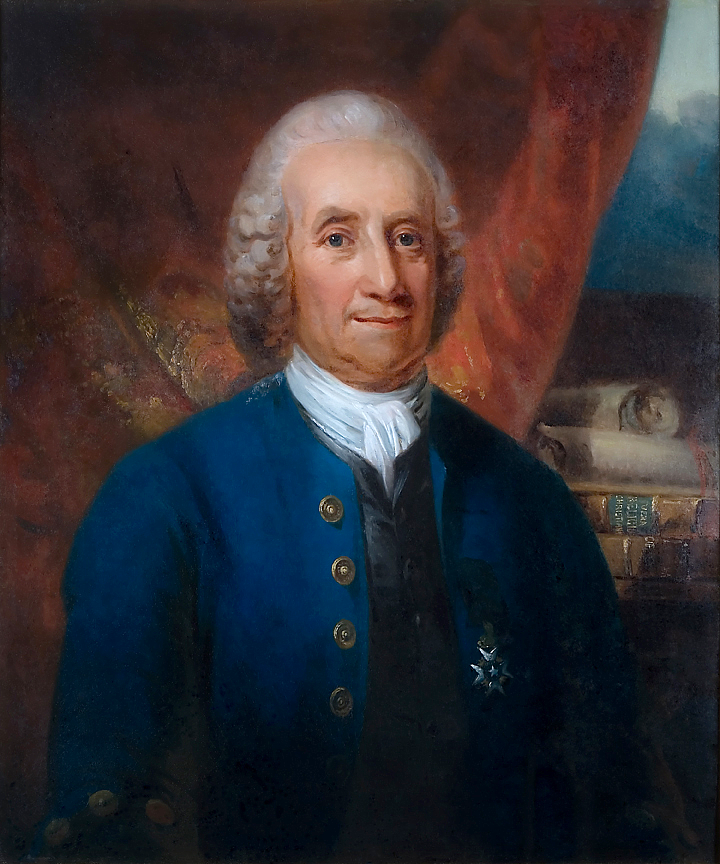
Emanuel Swedenborg was born in Stockholm, Sweden, on 29 January 1688. The son of a Lutheran bishop, he received a thorough education and became one of the greatest scientists and engineers of his era, a member of the Swedish Board of Mines and the author of pioneering works in fields as diverse as astronomy, physics, mineralogy, anatomy, and philosophy.
Around the age of 55, Swedenborg began to have visions and to communicate, by his own account, with angels and spirits of people already passed. Far from losing his intellectual rigour, he devoted the last 27 years of his life to describing with method and detail what he observed in these experiences, producing a vast body of work on the nature of the spiritual world, life after death, and the relationship between the material and spiritual worlds.
His works, written in Latin and published anonymously, describe with surprising coherence a vision of the spiritual world that presents remarkable convergences with the teachings of Kardec, elaborated nearly a century later. Swedenborg described the plurality of inhabited worlds, the progression of souls after death, the existence of spiritual spheres of different degrees, and the centrality of love and usefulness as organising principles of spiritual life.
From the Spiritist perspective, Emanuel Swedenborg is considered a privileged forerunner — an evolved spirit who was given permission to reveal, before the time of the official codification, fragments of the great spiritual truth. His visions, though marked by the cultural and religious limitations of his time, anticipate with remarkable precision many of the teachings that the spirits would systematically transmit to Kardec. He passed away in London on 29 March 1772.
William Crookes (1832–1919)#
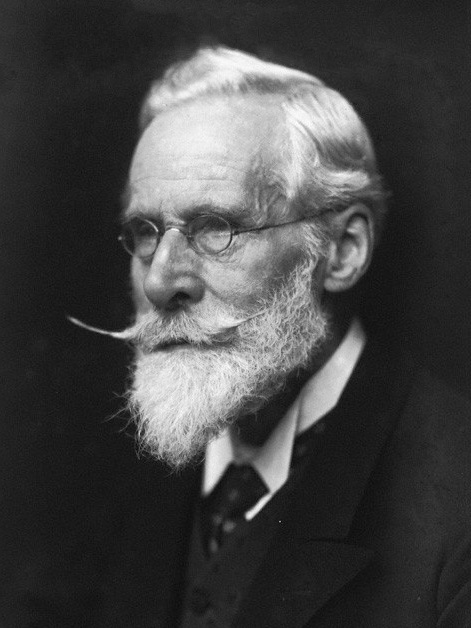
William Crookes was born in London on 17 June 1832. A chemist and physicist of the first rank, he was the discoverer of thallium, the inventor of the Crookes tube (fundamental to the later development of atomic physics), and a pioneer in the study of matter in the plasma state. A Fellow of the Royal Society and its President between 1913 and 1915, he was one of the greatest scientific authorities of the Victorian era.
The death of his younger brother in 1867 led Crookes to investigate mediumistic phenomena with the hope — and scientific demand — of finding objective proof of survival. Between 1871 and 1874, he conducted a rigorous series of experiments with the medium Daniel Dunglas Home and the young medium Florence Cook, documenting phenomena of levitation, materialisation, and physical force without contact that could not be explained by conventional causes.
In his scientific reports, published in the Quarterly Journal of Science, Crookes was clear: the phenomena were real, reproducible, and inexplicable by materialist science. He described in detail the experimental conditions, the instruments used, and the conclusions obtained, assuming full responsibility for his statements. The reaction of the scientific community was one of mockery, but Crookes did not retreat.
From the Spiritist perspective, William Crookes represents the ideal of the scientist who places honesty above convenience. In publishing conclusions that contradicted the consensus of his era, he risked his reputation in the name of truth. His intellectual courage and the rigour of his experiments make him one of the most credentialled witnesses to the reality of the spiritual world. He passed away in London on 4 April 1919.